
Chengdu ANLT Thermal Technology Co., Ltd.
Smart and Reliable Electric Heating Mats for Every Space

Smart and Reliable Electric Heating Mats for Every Space

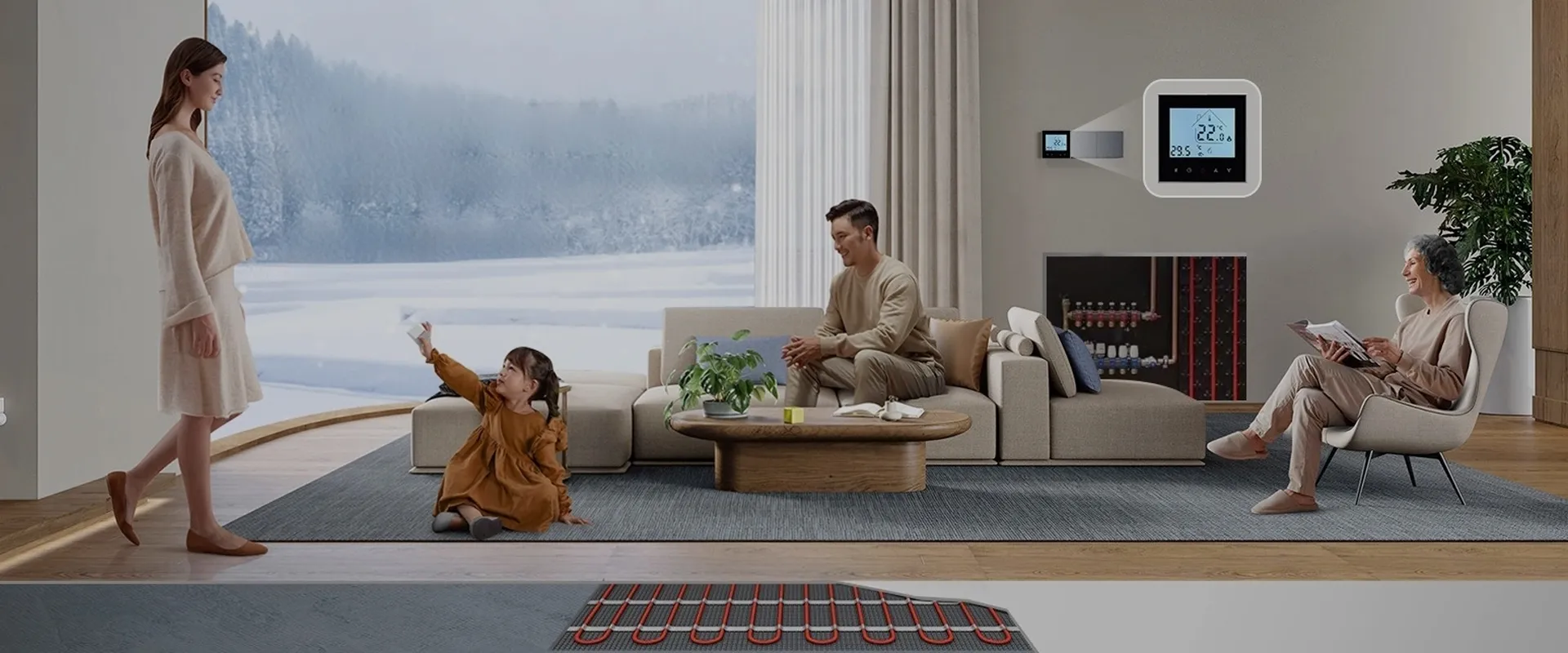
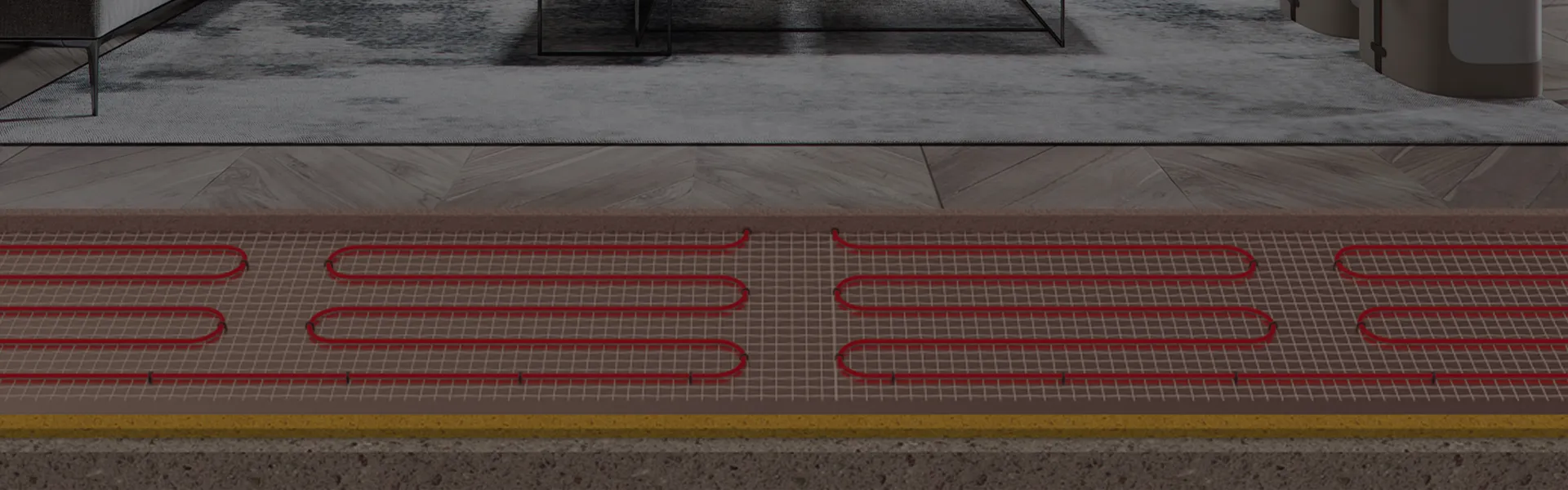
Invisible heating system installed under the floor surface, offering silent, low-maintenance warmth and enhanced interior design flexibility.
Get A Free Quote
Smart and Reliable Electric Heating Mats for Every Space

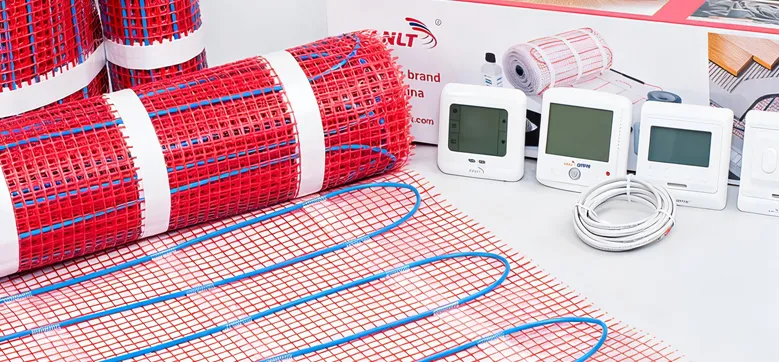
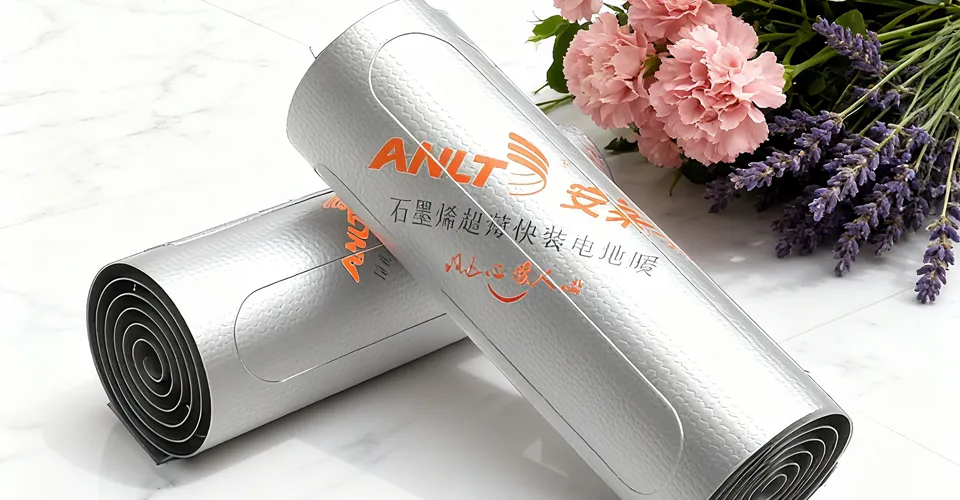
ANLT Electric Floor Heating Mats — Intelligent Comfort for Modern Living Spaces

ANLT Thermal Technology delivers smart, safe, and space-saving electric heating solutions. 

Application:

  • Bathroom Heating

  • Kitchen Floor Heating

  • Yoga Room Heating

  • Wall Heating

Specification: 

  • 100W/120W/150W/200W

  • CE and RoHS certified

* High-quality

Types of Electric Floor Heating Mats for Choice

By Floor Covering
By Technology
By Power Rating

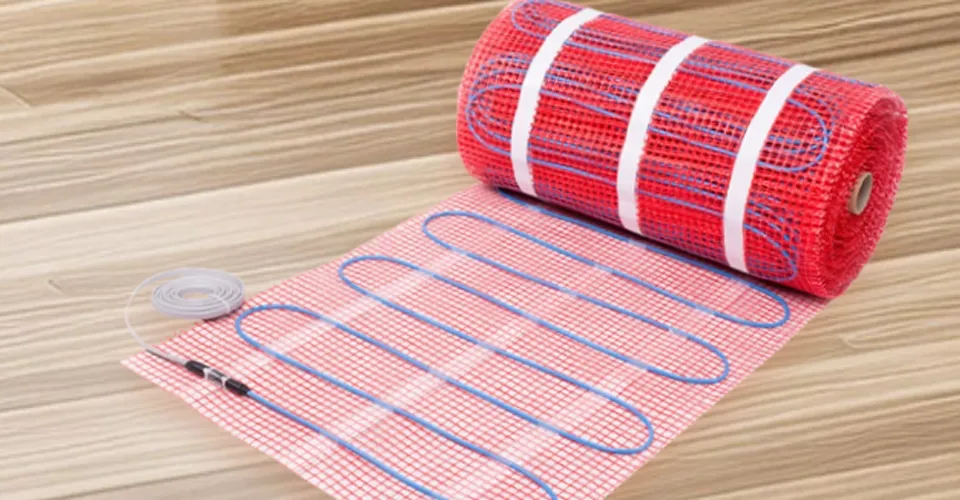
Electric Floor Heating Mats for Tiles

Designed for tiled floors, these mats provide fast, even heat distribution—ideal for bathrooms, kitchens, and other ceramic surfaces.
Electric Floor Heating Mats for Tiles

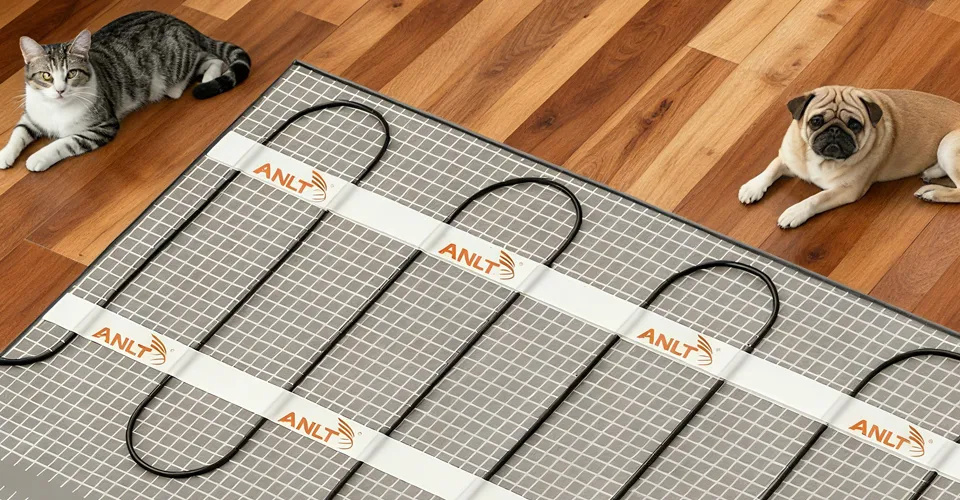
Electric Floor Heating Mats for Laminate Floor

Safe and efficient solution for laminate floors, offering gentle radiant warmth without damaging temperature-sensitive materials.
Electric Floor Heating Mats for Laminate Floor

Electric Floor Heating Mats for Vinyl/LVT

Low-temperature mats compatible with vinyl or LVT flooring, delivering consistent heat while protecting delicate floor finishes.
Electric Floor Heating Mats for Vinyl/LVT

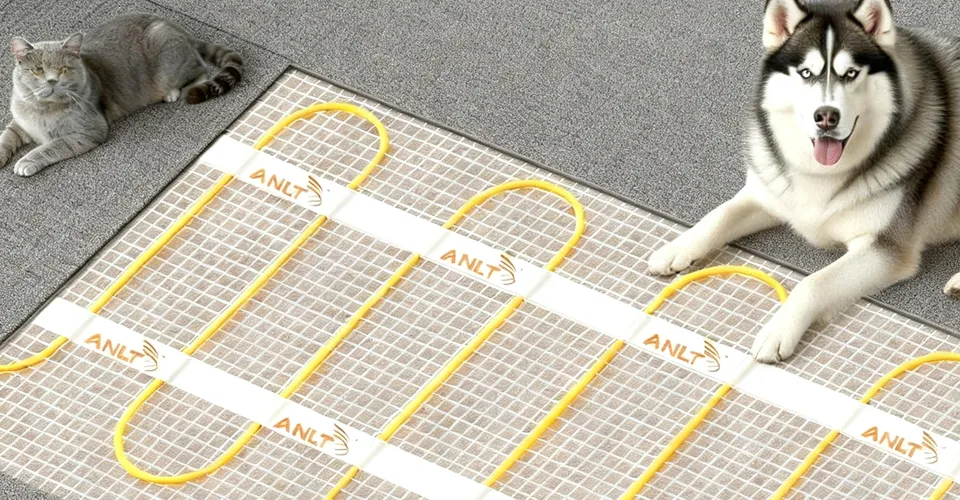
Electric Floor Heating Mats for Carpet

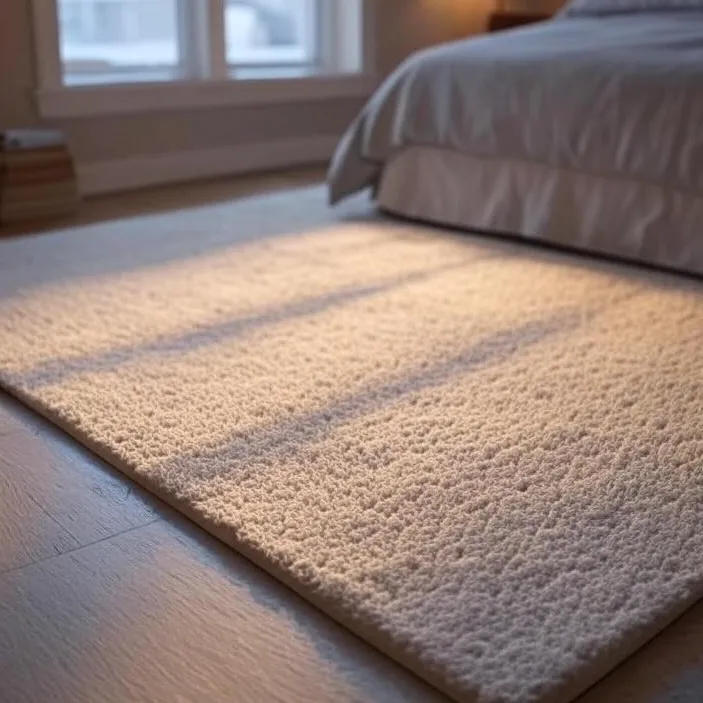
Specially designed for use under carpets with suitable underlay, ensuring safe, soft, and even floor heating.
Electric Floor Heating Mats for Carpet

High-Density Snow Melting Mats

Built for outdoor use, these heavy-duty mats offer powerful snow and ice removal for driveways, walkways, and ramps.
High-Density Snow Melting Mats

50W Heating Mat

Energy-saving option for well-insulated spaces, offering gentle warmth with reduced power consumption.
50W Heating Mat

100W Heating Mat

Reliable and versatile solution for most indoor heating needs—balanced in power, coverage, and ease of use.
100W Heating Mat

200W Heating Mat

Delivers rapid heat-up and strong output—suitable for high-demand areas or colder climates requiring fast, intense heating.
200W Heating Mat
Benefits of Installing Electric Underfloor Heating

* Benefits of Installing Electric Underfloor Heating *

01
Energy-Efficient Heating

Electric underfloor heating provides targeted warmth from the ground up, operating at lower temperatures while maintaining comfort and reducing energy bills.

02
Space-Saving & Invisible

Installed beneath the floor surface, it eliminates the need for radiators—freeing up wall space and allowing more flexible interior design.

03
Easy Installation & Low Maintenance

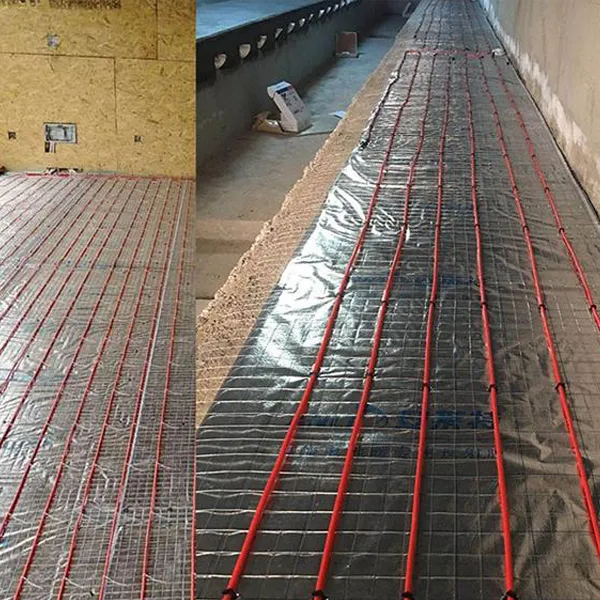
With no water pipes or boilers required, electric systems are quick to install and virtually maintenance-free—ideal for both new builds and renovations.

*FAQs of Electric Floor Heating Mats*

Can a 10 square meter heating cable be used to cover a 12 square meter room?

The choice of heating wire is based on the heat load calculated based on the building's envelope. If the wire is selected for a 10-square-meter house and used in a 12-square-meter room, the power will be too low to achieve the desired heating effect.

Why is it that part of the floor in a room is hot while another part is not?

The meter power of the heating wire is fixed, and the heating temperature is constant. A single set of wires may not heat at all, or may heat at all. If one set of wires is not heating, check: 1. Is the thermostat working properly? 2. Is the heating wire damaged? 3. Is the power cord properly connected?

The thermostat is set to 26 degrees, but it only displays 20 degrees. Is the heating cable broken?

If the heating wire is showing signs of heating up, it's normal. In this case, 1. If the thermostat is in dual-temperature mode, check the thermostat display to see if the floor temperature probe overheat protection is indicated. 2. Is the room's power configuration sufficient to meet the 26°C heating requirement?

Water circulates in the pipes of water floor heating, and the air in the room is relatively humid compared to the dryness of electric floor heating. Is water floor heating more comfortable than electric floor heating?

Both use low-temperature radiant floor heating. The difference between water-based and electric floor heating lies solely in the heat source; the heating principles are the same. Water-based floor heating circulates water in closed pipes and does not humidify. While both use low-temperature radiant heating, unlike the strong convection heat exchange of air conditioning, both offer high levels of comfort.

Is it unsafe if heating wires are laid underground due to electric leakage?

The heating wires are designed and manufactured with numerous protective measures in mind, and are buried underground to prevent damage unless caused by human error. A safety wire (ground wire) is built into the heating wires during production. If a wire damages and causes a leakage, the air switch will trip immediately, preventing any potential danger.

Will heating wires generate radiation that can affect your health?

All electrical devices, such as televisions and cell phones, emit electromagnetic radiation, but this is not the same as harmful radiation. The electromagnetic radiation generated by heating wires is minimal and poses no threat to human health. Furthermore, heating wires are manufactured with a metal shielding layer to further minimize electromagnetic radiation.

How efficient is underfloor (radiant) heating?

Underfloor (radiant) heating is exceptionally efficient due to its ability to deliver consistent and gentle warmth evenly across the entire floor surface at low temperatures. By concentrating heat in the lower part of the room—where it’s most needed—it minimizes heat loss and eliminates energy waste. This targeted and uniform heat distribution allows for precise control, enabling you to warm only the rooms you want, exactly when you want, resulting in significant energy savings and enhanced comfort.

Can electric floor heating systems be used as the main source of heating?

In homes built to CSH Level 4 or above, the Underfloor Heating is well-suited to serve as the primary heating solution.

For older properties with less effective insulation, it is generally recommended to supplement underfloor heating with an additional heating system.

To determine definitively whether extra heating is necessary, it’s best to consult an architect who can perform a detailed heat-loss assessment tailored to your home.


Is electric underfloor heating safe?

Yes, electric underfloor heating is very safe as it operates without any moving components or exposed heating elements, unlike many traditional heating systems.

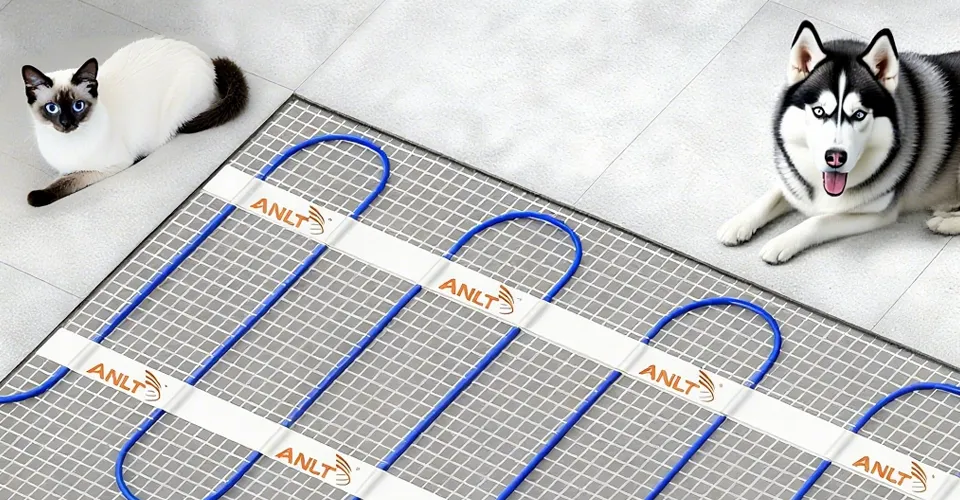
This type of heating creates a secure and comfortable environment for families, eliminating risks associated with radiators such as hot surfaces at low levels or sharp metal edges. This makes it especially suitable for homes with young children, elderly individuals, or anyone who may be more vulnerable to accidents or burns.


How much does it cost to run an underfloor heating?

Electric underfloor heating is surprisingly affordable to use. In a typical bathroom of average size, the daily running cost can be well under 15 pence, depending on insulation and usage patterns. This low operating expense makes it an efficient choice for maintaining comfortable warmth without significantly increasing your energy bills.

Can I install underfloor heating without raising the floor?

Sure. Our electric underfloor heating solutions are specifically engineered for situations where floor height needs to be preserved. Featuring an ultra-slim heating cable of just 1.8 mm, the system can be fitted directly beneath your floor finish, delivering efficient warmth without any noticeable change in floor level.

What is the difference between heating from radiators and underfloor heating?

Traditional radiators function primarily through convection rather than direct radiation. They heat the surrounding air to around 65–75ºC, which then rises toward the ceiling, cools, and sinks again, creating a continuous circulation of warm and cool air.

In contrast, underfloor radiant heating—whether electric or hydronic—operates more efficiently by warming the floor and surrounding surfaces first. This method requires lower operating temperatures and significantly less energy compared to conventional radiator-based systems.

What type of underfloor heating do I need?

Many customers often ask whether underfloor heating is compatible with their specific type of flooring. The good news is that there are options available to suit almost any floor surface. To help you choose the right system, we offer detailed information and guidance so you can find the perfect fit for your home.

I have installed under tile heaters, how long should l wait before turning on the underfloor heating?

When installing under-tile heating, screed is typically used as the base for the tile adhesive. It’s essential to wait until the flexible tile adhesive has completely dried before switching on the underfloor heating system. This drying process usually takes between 7 to 10 days to ensure the adhesive sets properly. Activating the heating too soon can cause the screed to dry unevenly and rapidly, potentially compromising the stability of the subfloor.

Always adhere to the manufacturer’s recommended drying times and guidelines.

I am considering different heating systems. Can underfloor heating be used as a whole-house heating system?

Using underfloor heating to heat an entire home offers numerous advantages, from lowering energy costs to creating more usable space since radiators are no longer necessary. In many situations, underfloor heating can serve as the main heating source, provided the rooms are adequately insulated. To determine the heating requirements for each room and confirm whether the insulation is sufficient for whole-house underfloor heating, a heat loss assessment must be performed. This evaluation is typically done by professionals such as builders, architects, or heating specialists.

Get in Touch
Please do not hesitate to contact us if there are any question or propositions about our efficient electric heating system products. We will be very happy to help you.
Your name:
Your email:
Your phone:
Your message:
We use cookies to offer you a better browsing experience, analyze site traffic and personalize content. Part of the tracking is necessary to ensure SEO effectiveness,
By using this site, you agree to our use of cookies. Visit our cookie policy to learn more.
Reject Accept