When choosing an underfloor heating system, homeowners, builders, distributors, and commercial project contractors often face the same question: electric floor heating vs hydronic — which one is better?
Both systems provide comfortable radiant heat, improve indoor energy efficiency, and eliminate the cold spots commonly associated with forced-air HVAC systems. However, they differ significantly in installation method, operating cost, maintenance, responsiveness, and project suitability.
In this guide, we’ll compare electric and hydronic underfloor heating systems in depth, using real-world data, installation insights, and industry trends to help you make the right decision for your residential or commercial project.
What Is Electric Floor Heating?
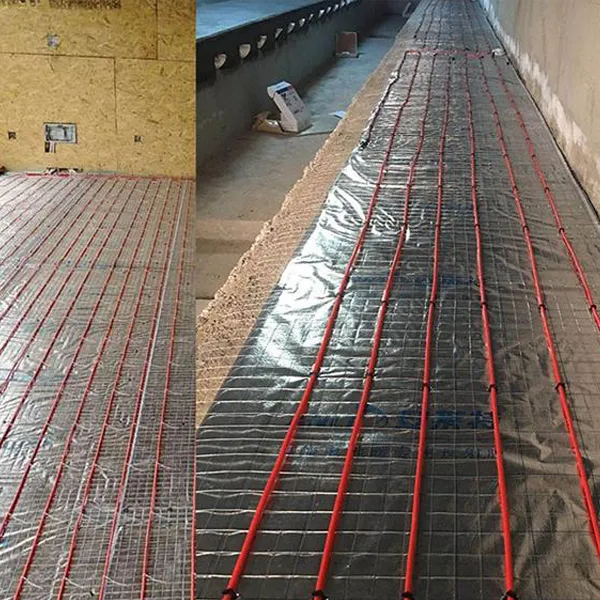
Electric floor heating uses electric resistance cables, heating wires, or pre-spaced heating mats installed beneath flooring materials such as tile, vinyl, laminate, or engineered wood.
When electricity passes through the heating element, radiant heat rises evenly across the floor surface, warming the room efficiently and comfortably.
Common Electric Underfloor Heating Systems
Electric systems are especially popular in:
Bathrooms
Kitchens
Apartments
Renovation projects
Small-to-medium rooms
Hotels and luxury homes
What Is Hydronic Floor Heating?
Hydronic underfloor heating circulates warm water through PEX tubing installed beneath the floor. The water is heated using:
Gas boilers
Heat pumps
Solar thermal systems
Biomass systems
Hydronic systems are commonly used in:
Large homes
Commercial buildings
Warehouses
Schools
Hospitals
Cold-climate regions
Because water retains heat efficiently, hydronic systems are often preferred for large-scale or whole-house heating applications.
Electric Floor Heating vs Hydronic: Quick Comparison Table
Feature | Electric Floor Heating | Hydronic Floor Heating |
Heat Source | Electricity | Heated water |
Installation Complexity | Low | High |
Upfront Installation Cost | Lower | Higher |
Operating Cost | Moderate to high | Lower for large areas |
Best For | Small/medium rooms | Whole-house heating |
Installation Thickness | Thin profile | Thicker floor buildup |
Response Time | Fast | Slower |
Maintenance | Minimal | Regular maintenance required |
Lifespan | 20–30 years | 30–50 years |
Renovation Friendly | Excellent | Less suitable |
Smart Thermostat Compatibility | Excellent | Good |
Energy Efficiency | High in zoned heating | Excellent for continuous heating |
Risk of Leakage | None | Possible water leakage |
Floor Compatibility | Most floor finishes | Most floor finishes |
Electric Floor Heating vs Hydronic: Installation Cost Comparison
One of the biggest deciding factors is installation cost.
Electric Floor Heating Costs
Electric systems are easier and faster to install because they do not require:
Boilers
Pumps
Water manifolds
Pipe networks
Average installed cost:
Electric heating mats can significantly reduce labor time, especially in retrofit projects.
Hydronic Heating Costs
Hydronic systems require more infrastructure and professional plumbing work.
Average installed cost:
For large homes, installation can exceed:
According to the U.S. Department of Energy, radiant floor systems can be more energy-efficient than baseboard heating and forced-air systems because they eliminate duct losses.
Electric Floor Heating vs Hydronic: Energy Efficiency & Running Costs
Electric Floor Heating Efficiency
Electric radiant heating converts nearly 100% of electricity into heat at the point of use. However, local electricity prices strongly affect operating cost.
Electric systems are highly efficient when used for:
Zoned heating
Intermittent heating
Bathrooms
Vacation homes
Renovation projects
Smart thermostats can reduce energy consumption by:
Hydronic Heating Efficiency
Hydronic systems generally have lower operating costs for:
Large floor areas
Continuous daily heating
Cold climate regions
When paired with modern heat pumps, hydronic systems can achieve very high seasonal efficiency.
Heating Speed and Daily Comfort Performance
One of the biggest differences between electric and hydronic underfloor heating systems is how quickly they respond to temperature changes.
Electric Floor Heating: Fast and Responsive
Electric floor heating systems warm up rapidly because the heating cables or mats generate heat directly beneath the floor surface. In most residential applications, users can feel warmth within:
This fast response time makes electric systems ideal for:
When combined with smart thermostats, electric systems can heat rooms only when needed, helping reduce unnecessary energy consumption while maintaining excellent comfort.
Hydronic Floor Heating: Slower but More Stable
Hydronic systems take longer to reach target temperatures because warm water must circulate through embedded tubing and heat a larger thermal mass.
Depending on the floor structure, full heating may require:
However, once the floor is fully heated, hydronic systems provide highly stable and consistent warmth, making them suitable for:
Maintenance and Long-Term Reliability
Maintenance requirements are another important factor when comparing electric and hydronic radiant heating systems.
Electric Systems Require Minimal Maintenance
Electric floor heating systems contain very few components:
Heating cables or mats
Insulation layers
Thermostats
Because there are:
maintenance needs are extremely low. Once installed correctly, many systems can operate reliably for 20–30 years or longer.
This simplicity is especially valuable for:
Residential homes
Hotels
Apartments
Renovation projects
Hydronic Systems Need Regular Servicing
Hydronic systems are mechanically more complex and usually require periodic maintenance, including:
Boiler inspections
Pump servicing
Pressure balancing
Air removal
Leak monitoring
While hydronic systems can achieve very long lifespans, the overall maintenance workload and repair costs are generally higher than electric systems.
Best Applications for Each Heating System
Both electric and hydronic underfloor heating systems perform well, but each is better suited for different project types.
When Electric Floor Heating Is the Better Choice
Electric systems are commonly preferred for:
Bathroom renovations
Kitchens
Apartments and condos
Hotels and hospitality projects
Small-to-medium residential areas
Fast-track construction projects
Their thin installation profile and easy installation process make them especially suitable for retrofit applications where floor height is limited.
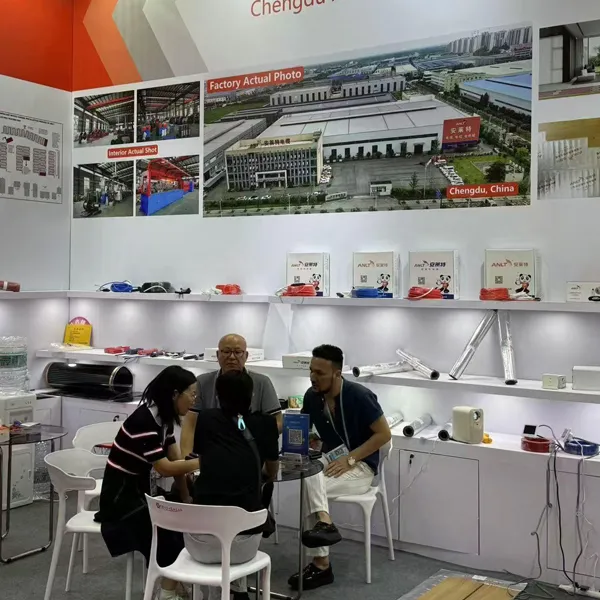
As a professional underfloor heating manufacturer, ANLT Heating supplies electric radiant heating systems designed for efficient installation and stable performance across residential and commercial applications.
When Hydronic Heating Is the Better Choice
Hydronic systems are typically more suitable for:
Large homes
Villas
Commercial complexes
Schools
Hospitals
Cold-climate regions
Because water transfers heat efficiently over large areas, hydronic systems often provide lower operating costs in projects requiring continuous daily heating.
They are also commonly integrated with:
Electric Floor Heating vs Hydronic: Which System Should You Choose?
The best underfloor heating system ultimately depends on your building size, budget, installation conditions, and long-term energy goals.
Choose Electric Floor Heating If You Need:
Electric radiant systems are especially effective in modern homes where energy-efficient zoned heating is a priority.
Choose Hydronic Floor Heating If You Need:
Whole-house heating
Lower operating costs for large spaces
Long-duration continuous heating
Integration with boilers or heat pumps
A solution for new-build construction projects
For many modern residential and light commercial projects, electric radiant heating offers the best balance of:
Installation simplicity
Smart temperature control
Interior design flexibility
Comfortable radiant warmth
Efficient zoned energy usage
FAQs
1. Is electric floor heating cheaper than hydronic?
Electric floor heating usually has a lower installation cost, especially for small spaces and renovations. Hydronic systems often become more cost-effective over very large areas.
2. Which flooring works best with underfloor heating?
Tile and stone provide the best heat transfer, but many vinyl, laminate, and engineered wood floors are also compatible.
3. How long does electric floor heating last?
Most high-quality systems last between 20 and 30 years when installed correctly.
4. Is hydronic heating more environmentally friendly?
Hydronic systems can be very sustainable when connected to renewable energy sources or heat pumps.
5. Can electric floor heating be installed in existing homes?
Yes. Electric floor heating mats are one of the best solutions for retrofit and remodeling projects because they require minimal floor height increase.
Conclusion
When comparing electric floor heating vs hydronic systems, there is no universal winner — the best choice depends on project size, budget, installation conditions, and long-term heating goals.
For renovations, bathrooms, apartments, hotels, and fast-installation projects, electric floor heating offers outstanding flexibility, comfort, and ease of installation.
For large-scale new construction and whole-house heating, hydronic systems may deliver lower long-term operating costs.
As a trusted underfloor heating manufacturer, ANLT Heating helps global customers select reliable radiant heating solutions tailored to residential, commercial, and industrial applications.