Builders, flooring contractors, and heating distributors are increasingly asked to install heating systems that are thin, responsive, and easy to fit under modern floor finishes. Electric heating film offers an alternative to bulky hydronic systems or thick cable mats, especially in renovation projects where floor height cannot be raised significantly.
ANLT Thermal Technology produces a range of electric underfloor heating products, including heating mats, aluminum foil mats, heating cables, thermostats, and heating films. The far infrared heating film is designed for dry installations under laminate, wood, or carpeted surfaces, and can also be applied to walls.
Product Overview and Construction
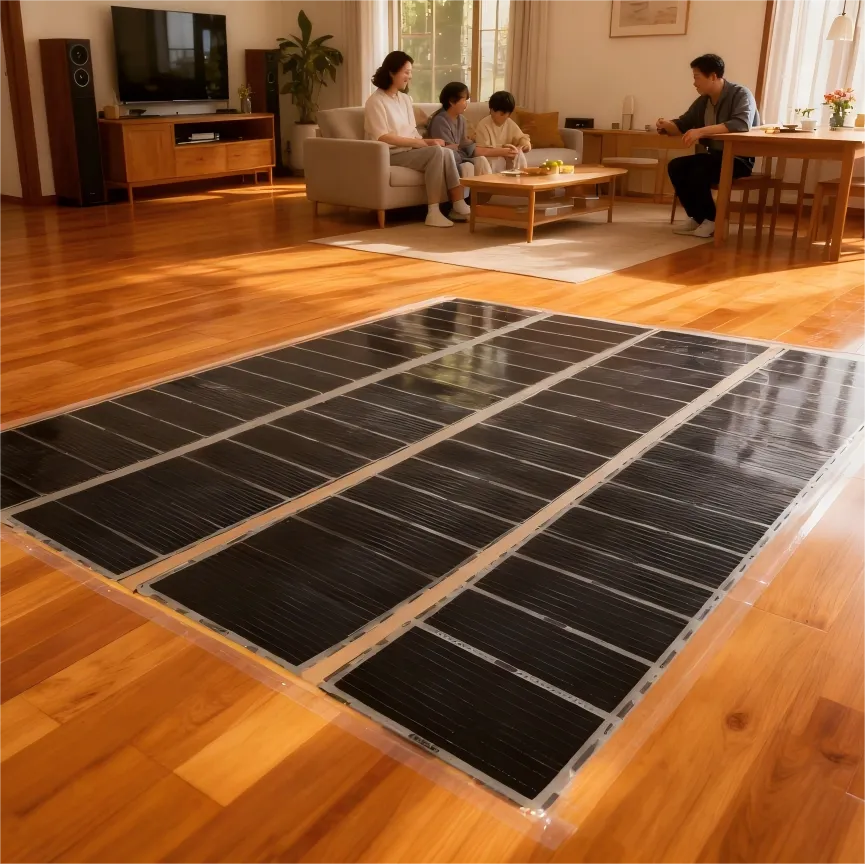
ANLT's far infrared heating film is an ultra-thin, flexible heating element that emits radiant warmth. It is built with high-quality materials and insulation layers intended to provide long-term reliability. The film is available in several widths and power densities to match different room sizes and heat-load requirements.
Standard models listed on the product page include:
· ANLT-50-150: 50 cm width x 150 cm length, available in 120 W, 150 W, or 220 W
· ANLT-80-150: 80 cm width x 150 cm length, available in 120 W, 150 W, or 220 W
· ANLT-100-150: 100 cm width x 150 cm length, available in 120 W, 150 W, or 220 W
These standard variants have a thickness of 0.338 mm. ANLT also offers S-series variants (ANLT-50-150S, ANLT-80-150S, ANLT-100-150S) with a reduced thickness of 0.12 mm for installations where minimal buildup is critical.
How Far Infrared Heating Film Works
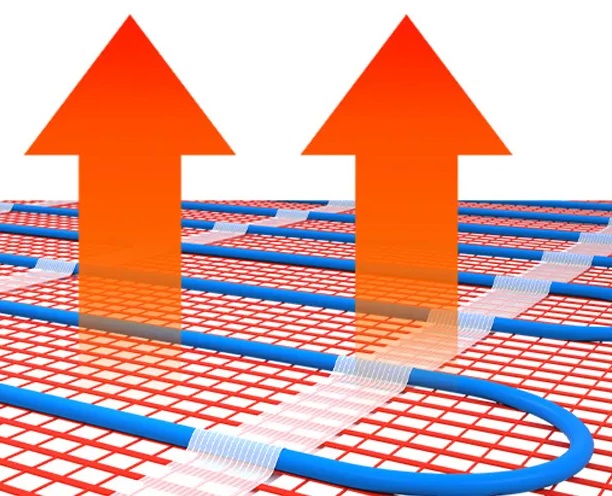
Unlike convection systems that heat air, infrared film warms surfaces and objects directly through electromagnetic radiation. This approach can produce a more even feeling of warmth at lower air temperatures, since occupants receive radiant heat from the floor or wall. The film heats up quickly because of its low thermal mass, allowing rooms to reach comfort temperature in a shorter time than some heavier systems.
The product is described as energy-efficient, though actual consumption depends on insulation, thermostat control, and local electricity prices. It is marketed as suitable for modern homes and offices where fast response and thin profile are priorities.
Applications and Suitable Floor Types
Heating film is typically used in rooms where the floor finish is compatible with electric radiant heating. Common applications include:
· Residential living spaces: living rooms, bedrooms, and home offices with laminate or engineered wood floors.
· Bathrooms and kitchens: areas with tile or stone finishes where rapid floor warming improves comfort.
· Commercial spaces: offices, clinics, and retail rooms that need zoned heating without a central boiler.
· Renovation projects: spaces where adding screed or pipework is impractical or too costly.
· Wall heating: installations where floor space is limited or where wall-mounted radiant panels are preferred.
ANLT offers other film types in the same product family, including quick-heat film, sealed film for moisture protection, and unsealed film for cost-sensitive applications.
Selection Factors for Contractors and Distributors
When specifying heating film, buyers should consider the following:
1. Heat load calculation: match the installed wattage per square meter to the room's heat loss, insulation level, and local climate.
2. Floor finish compatibility: confirm that the floor covering manufacturer allows electric heating underneath and that the maximum film temperature will not damage the finish.
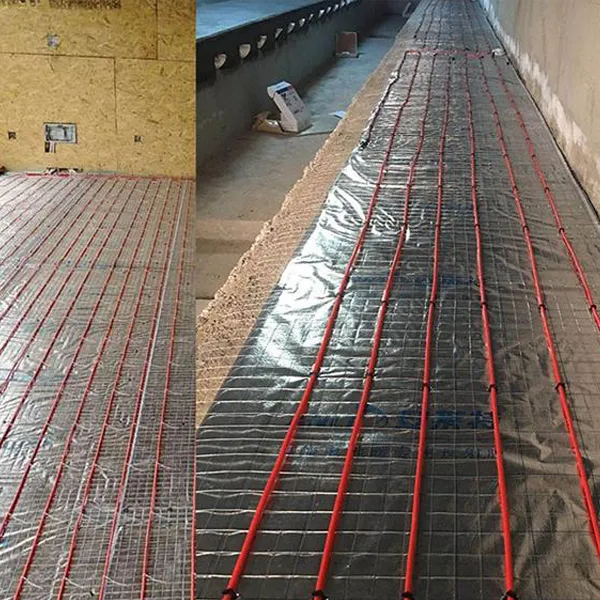
3. Film width and layout: choose widths that minimize cutting and waste while covering the usable floor area. Leave unheated zones under fixed furniture.
4. Thickness constraint: use the 0.12 mm S-series where floor height is limited, or the standard 0.338 mm series where durability is the priority.
5. Control system: pair the film with a suitable thermostat, such as ANLT's smart or programmable models, to manage running costs and comfort.
6. Certification and warranty: ANLT states that its products are CE and RoHS certified. Buyers should request the relevant test reports and warranty terms for their market.
Why Source Heating Film from ANLT
ANLT Thermal Technology has focused on electric underfloor heating since 2009. Its product range covers heating mats, aluminum foil mats, heating cables, thermostats, and heating films, allowing distributors and contractors to source a complete electric heating system from one supplier. The company offers OEM services and exports to multiple countries.
For buyers who already purchase heating cables or thermostats from ANLT, adding heating film to the product line can address a different segment of the market without adding a second supplier.
Next Steps for Buyers
If you are a distributor, flooring contractor, or heating installer considering infrared heating film, contact ANLT with your target room sizes, floor finishes, and local voltage. Request a layout recommendation, wattage calculation, and thermostat pairing guide to ensure the system meets the expected comfort and energy goals.